Run Android where you choose
Use a workstation, home server, remote Linux host, or compatible cluster instead of binding the handset to one pocket device.
 Ephemeral Phone
Open console
Ephemeral Phone
Open console
Self-hosted remote Android · Founding access
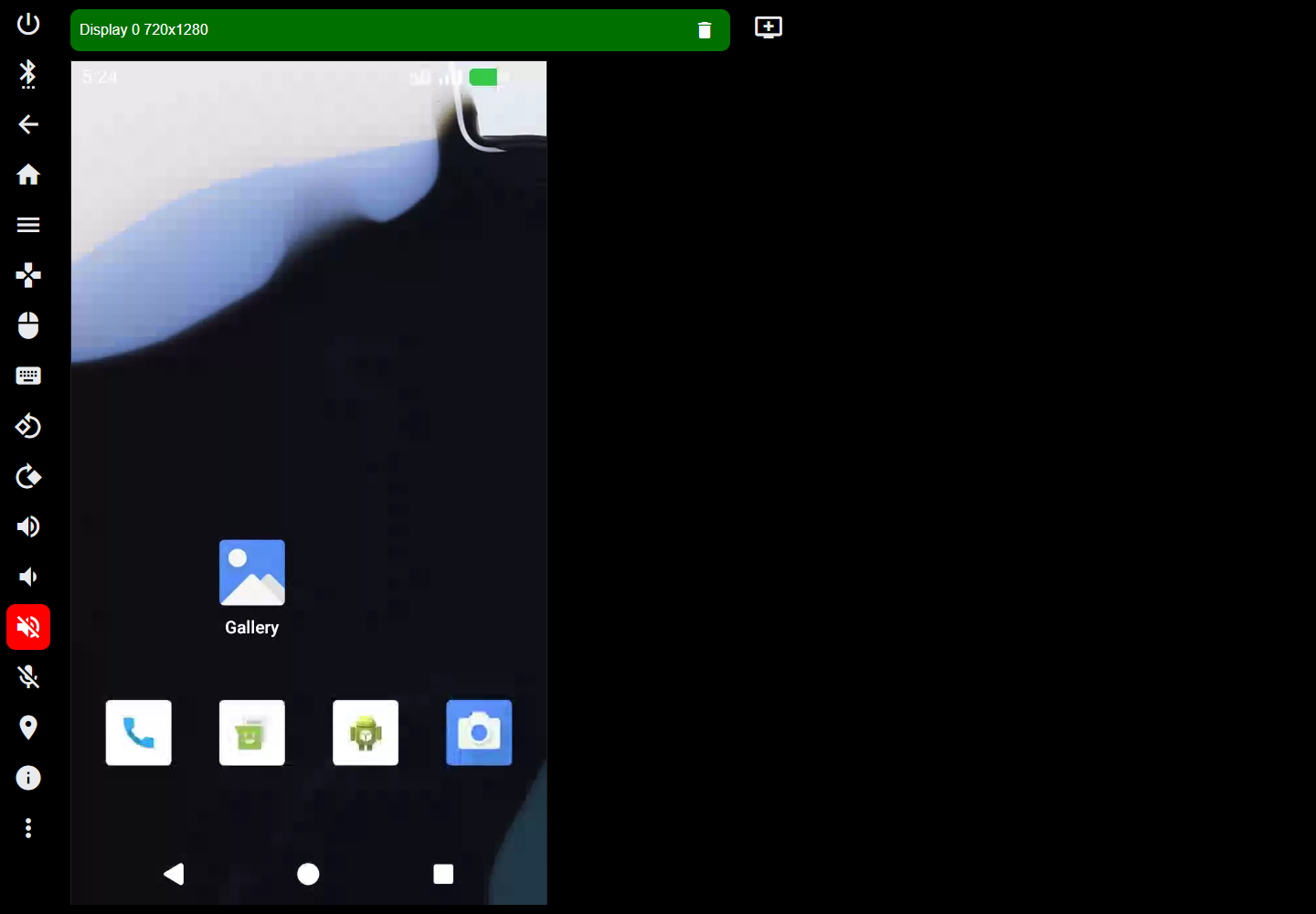
Run a persistent Android handset on hardware you control. Connect from a replaceable browser using short-lived access, while your apps and data remain on the runtime host.
Join the founding cohort for early access and a direct voice in the requirements. Your environment and use cases help shape how Ephemeral Phone is deployed, managed, and supported.
The idea
Ephemeral Phone separates the Android environment from the device in your hand. The browser becomes temporary access to a handset that continues running elsewhere.
Use a workstation, home server, remote Linux host, or compatible cluster instead of binding the handset to one pocket device.
The browser receives temporary access to Android rather than becoming the permanent home of its applications and data.
End a browser session while the Android instance, identity, and applications remain on the runtime host.
Optional policy
Define an airport or another sensitive area by a point and radius. While the console is open, entering that zone can lock running phones and prevent that browser from reconnecting.
Understand the limits before enabling it →Run it under your roof
Choose a ready-to-run compact appliance or a larger managed deployment for a team. Every option arrives configured around the agreed number of phones, Android profile, network, recovery plan, and support boundary.
Explore hardware options →Move new phones between any online Windows, Linux, compact-appliance, or server node that advertises the required Android image and capacity.
What works now
The reference deployment proves the authenticated control and streaming path. Founding participants bring the workflows and operating environments that will shape deployment, support, integration, and security requirements.
GitHub sign-in, owner-scoped controls, a real Cuttlefish handset, and WebRTC input from the browser.
Browser-local zone detection can trigger a lock. Background and server-enforced policies remain roadmap work.
Signed-in console users can download simple Windows and Ubuntu server packages. Android runtime setup remains a technician task.
Build it with us
We are developing runtime adapters, deployment tooling, clients, documentation, and a practical threat model. Operators, Android engineers, security researchers, designers, and first-time contributors all have a place in the project.